
As obsessed (possessed?) as I am with the art and craft of cinematography, I couldn’t help but look more closely at the photos I recently shot with the Konica 400mm lens (see last Tuesday’s post). Below, you’ll find a zoomed-in detail from the first picture in the group. Extracted from the same JPEG, it has a resolution of 1205X1020 (the original measured 5616X3744).

1205X1020
What’s interesting about it is the chromatic aberration visible along the edges of the egret’s neck and body. This indicates the failure of the lens to focus all colors to the same point. It’s a common problem and shows up more readily in cheaper glass and higher-contrast situations. Modern lenses are less susceptible. Though this example isn’t noticeable in its native resolution, the effect is definitely present and has a damaging impact on the viewer’s perception of the image.
There are number of ways to cure color fringing in the stills world, but in mine, I simply nip it in the bud. As soon as I see signs of it, I replace the lens with a fresh model or have the technician re-tune the elements to their proper alignment.
A big part of prep is devoted to eliminating as many photographic variables as possible. With so many things going on that we can’t control, it behooves us to reign in the ones we can. Being on the alert for anomalies like chromatic aberration is only a small part of the effort, but it’s no less important than anything else you’ll address during that time.
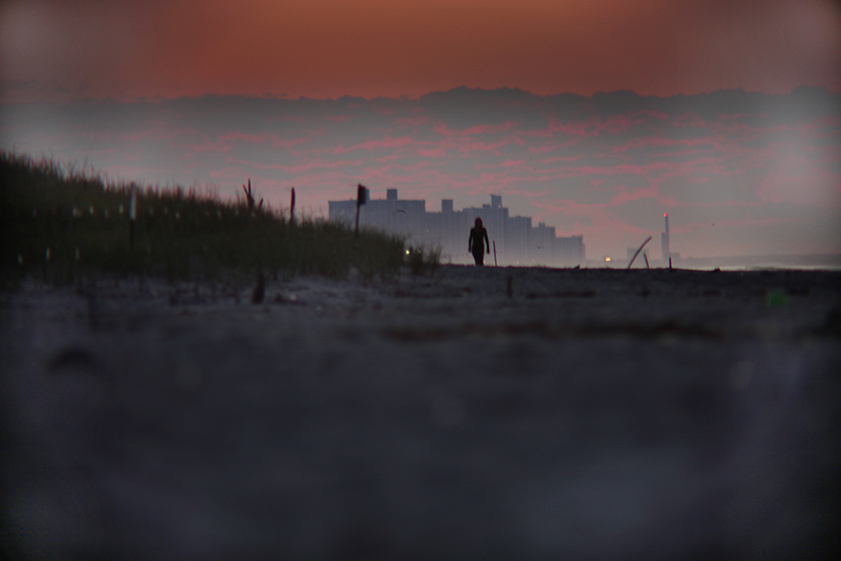
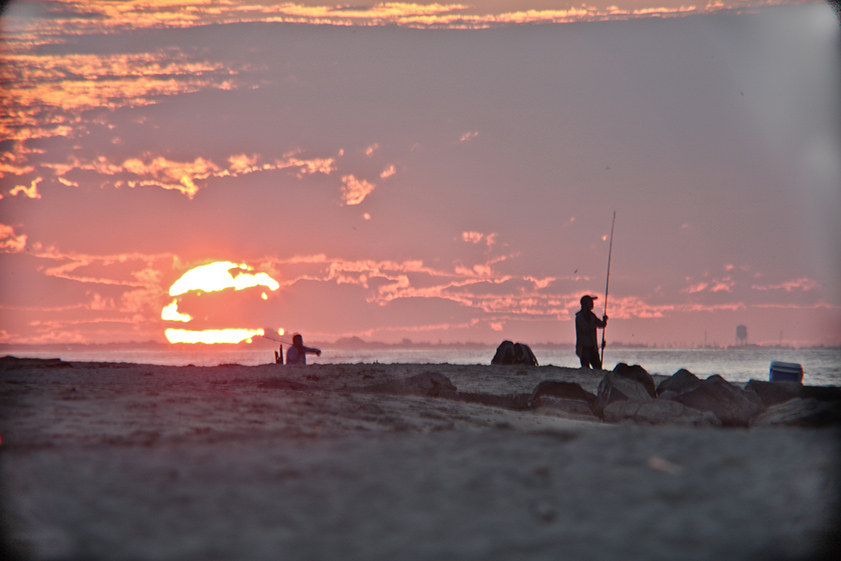
As the sun was coming up one morning, I couldn’t resist the urge to play around with the aesthetics of the long lens. Don’t be put off by any softness in the image; this unit is pretty sharp. I didn’t use the steadiest of surfaces to shoot from and any shutter-shake translated directly to the image.
Fabulous. Old school glass is the best. Hand crafted. Images that speak volumes. Keep shooting.
No plans to stop, Russ. They’re gonna take me off the stage feet first!