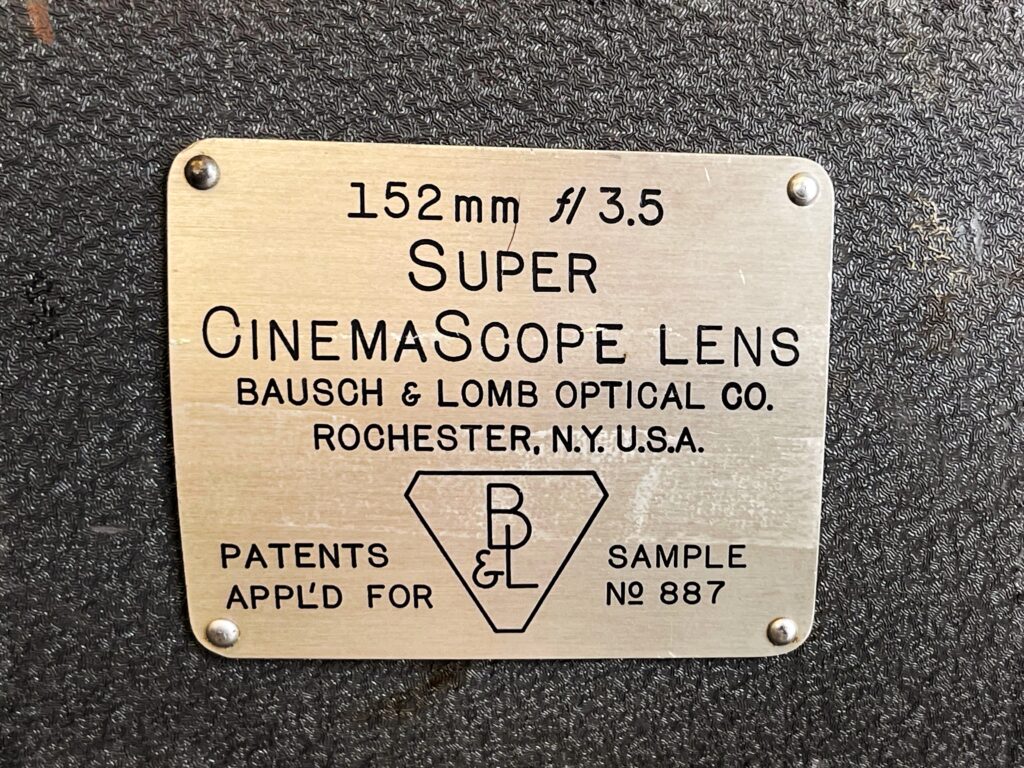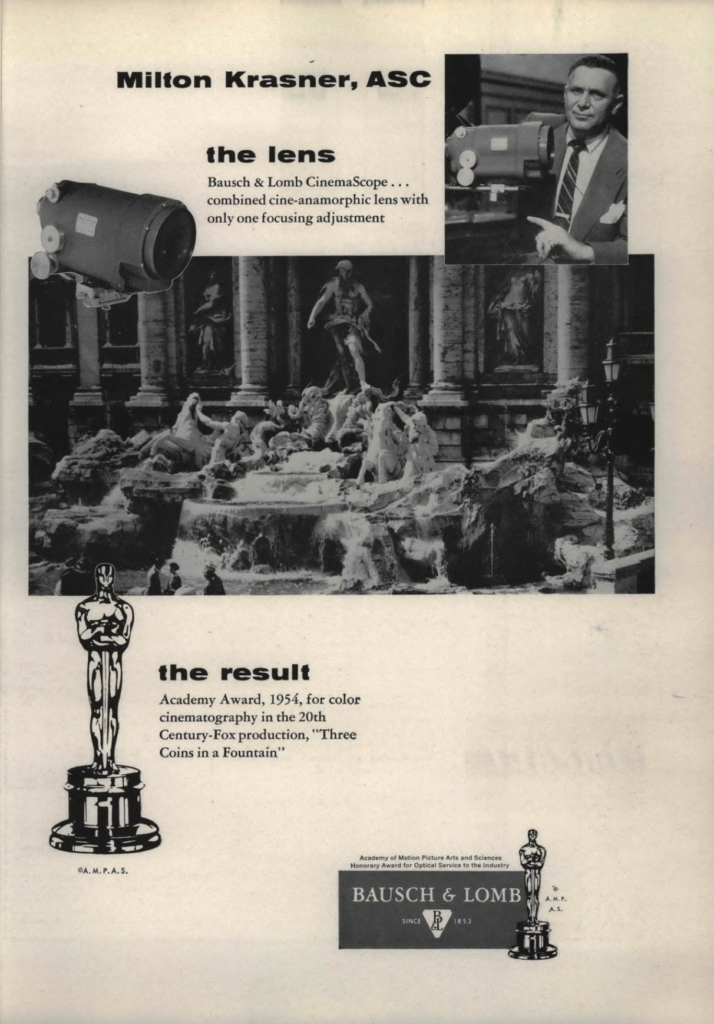
Milton Krasner, ASC’s work on Three Coins in the Fountain (1954; Jean Negulesco) is a great example of how a classical studio stylist adapted to 20th Century Fox’s new anamorphic CinemaScope system and its Bausch & Lomb lenses. Most notably, Krasner used the format’s limitations to turn the film into a romantic travelogue of Rome and the Italian countryside. Shot in Technicolor on location (with interiors at Cinecittà), his efforts won him the Academy Award for Best Color Cinematography, the first given for a widescreen feature.
CinemaScope at this stage meant Fox’s 2x Bausch & Lomb anamorphic primes. They were relatively slow, large, heavy and optically quirky, delivering images with edge softness and “mumps” (a type of barrel distortion) on the left and right sides. Since they were most reliable in mid-frame, critics noted that the camera tended to hang back and keep the actors centrally placed in the wide canvas, with few close‑ups in the early reels. To make up for this, Three Coins leans heavily on carefully composed, postcard‑like vistas, pans and measured dolly work rather than aggressive tracking around actors – a play-it-safe approach that was soon adapted by cinematographers at that time.
Onscreen, familiar tourist spots like the Trevi Fountain and Venice Canals were turned into enveloping environments, often framed to occupy as much narrative weight as the actors. The B&L lenses’ tendency to soften or distort edges thus became less of a liability, since architecture and landscapes are more forgiving than faces.
The wide frame also allowed Krasner to stage long takes with multiple relationships within a single shot, leaning on blocking and lateral composition instead of punch‑ins. This played to CinemaScope’s sales pitch – fewer cuts and more theatrical, proscenium‑style compositions – while staying within the mechanical comfort zone of the lenses.
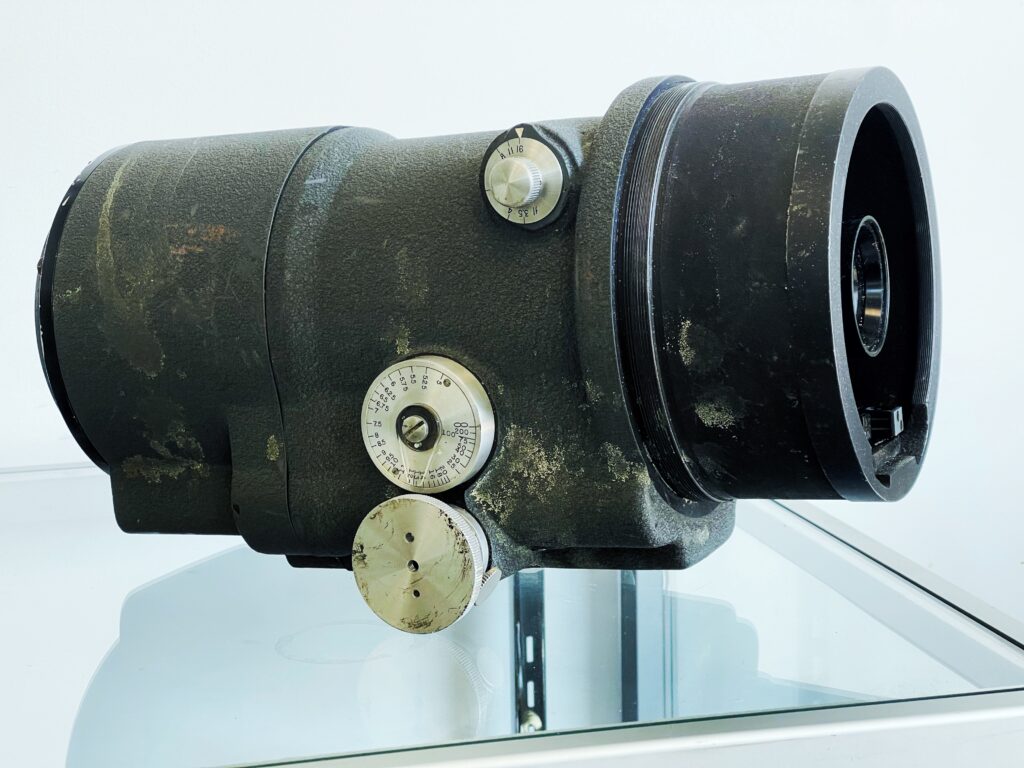
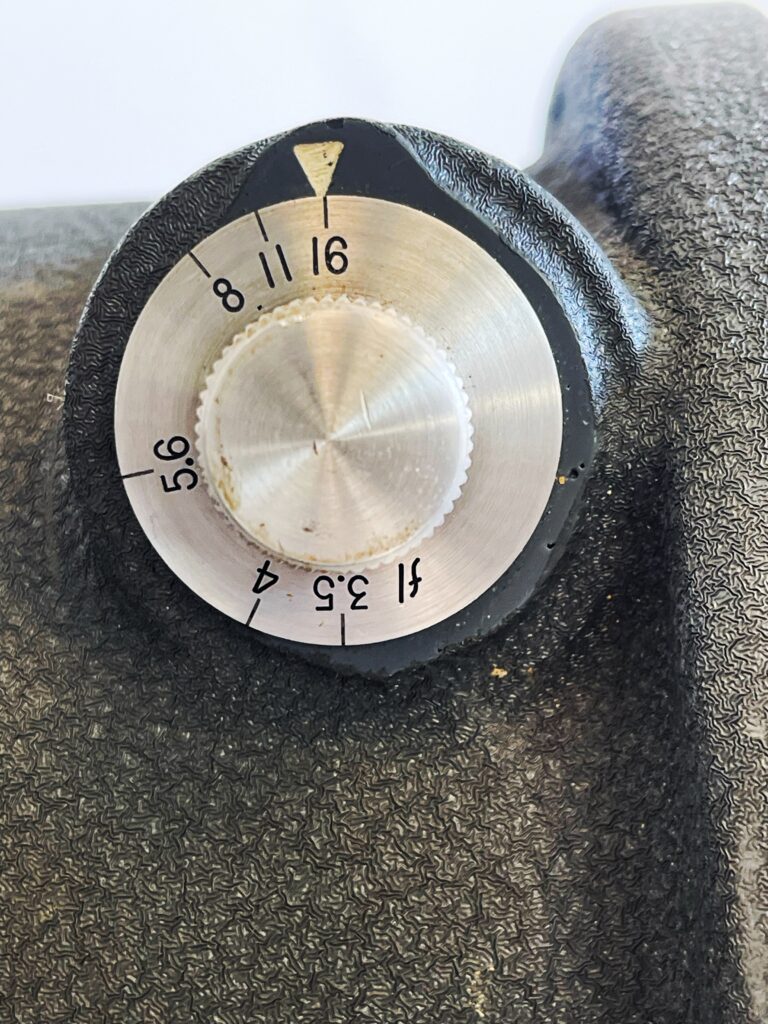
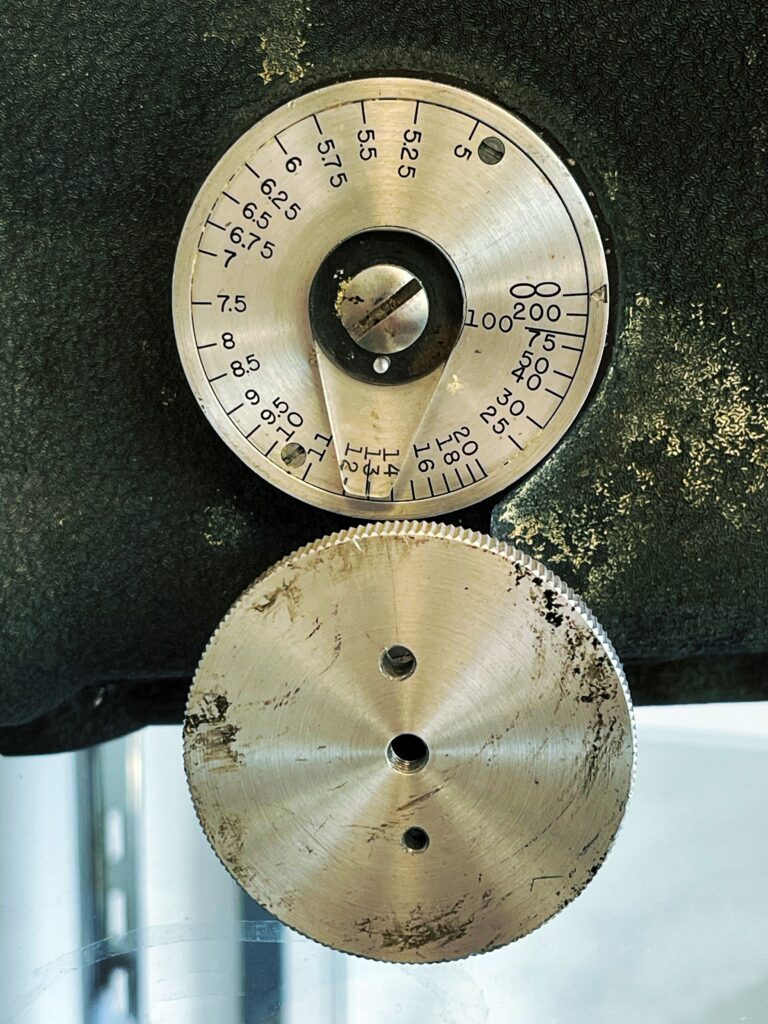
As the Oscar attests, Krasner certainly figured out how to optimize his tools. So much so that he appeared in a March 1956 American Cinematographer ad on behalf of Bausch & Lomb. The other photos you see below are from the ASC’s collection. Who knows? That very lens might have been part of Krasner’s Three Coins set! (Note well: the front element has been removed for safe keeping while in storage)