
I’m continually shocked at how little appreciation many younger cinematographers have for the great ones who came before us. Maybe it’s the speed of modern life, but there’s no excuse not to be familiar with the work of such relatively recent giants as John Alonzo, Conrad Hall, Victor Kemper, Laszlo Kovacs, Owen Roizman, Haskell Wexler, Vilmos Zsigmond, et al…let alone anyone who worked before 1960.
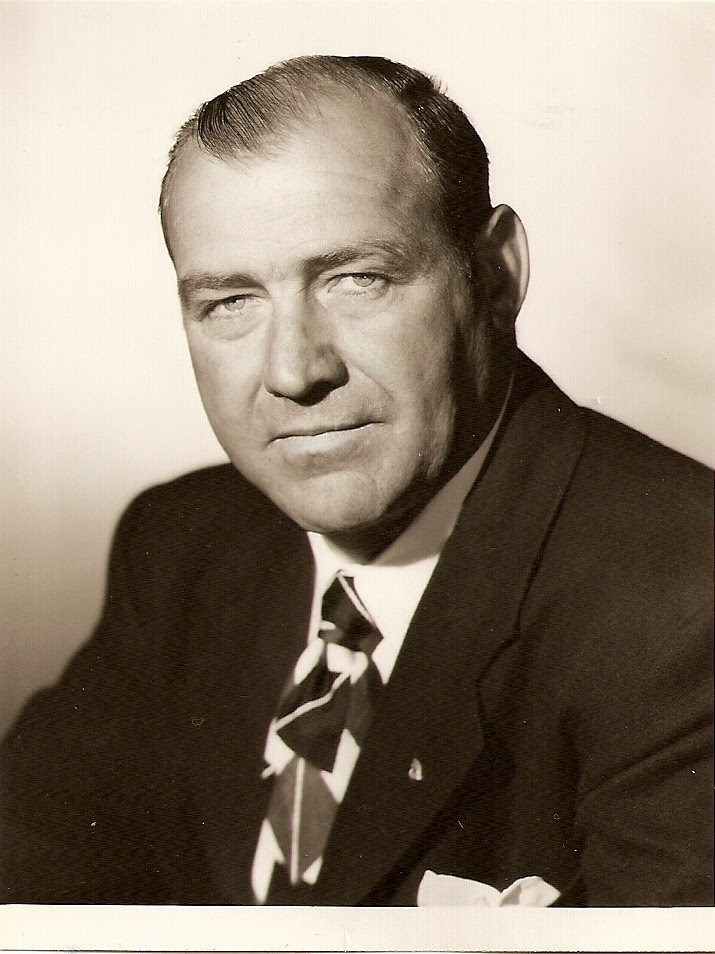
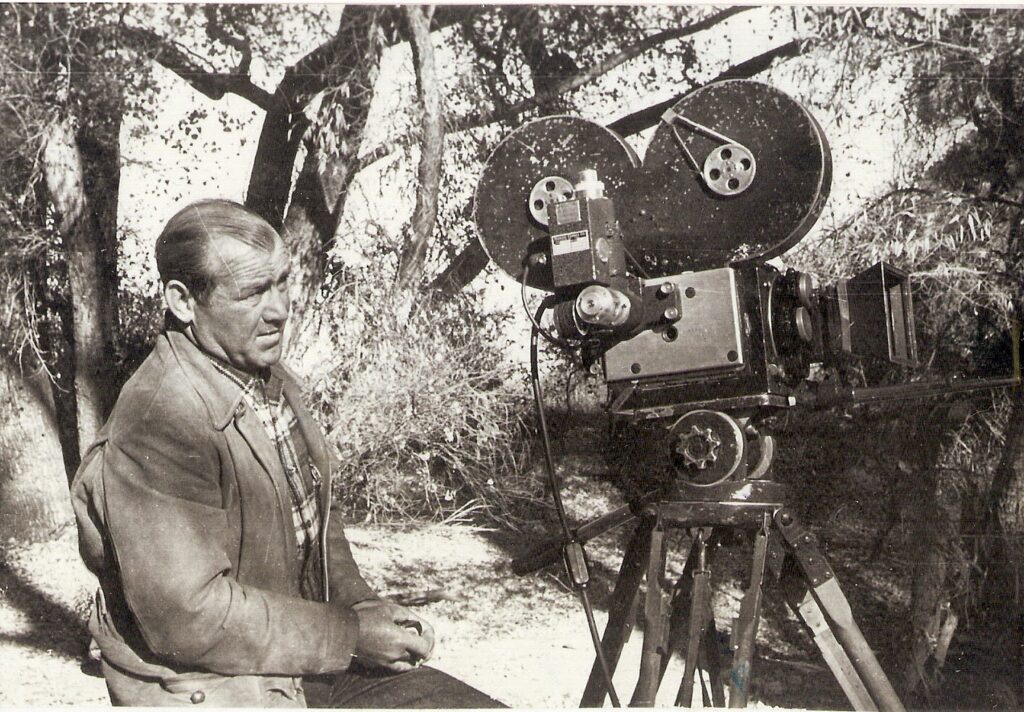
In the interest of keeping their spirit alive, here’s a tribute to someone else they won’t know – Irmin Roberts, ASC.
Though the name isn’t familiar, by any standard the man had a tremendous career. Born in California in 1904, he began as an assistant cameraman at Paramount in 1926, where he would remain until 1959. Moving quickly through the ranks, he earned his first notice as principal effects cinematographer in 1938 for Spawn of the North (Henry Hathaway). Subsequently, he contributed often uncredited work to such popular titles as For Whom the Bell Tolls (1943; Sam Wood), The Virginian (1946; Stuart Gilmore), The Strange Love of Martha Ivers (1946; Lewis Milestone), A Connecticut Yankee in King Arthur’s Court (1949; Tay Garnett), Ace in the Hole (1951; Billy Wilder), The War of the Worlds (1953; Byron Haskin), Rear Window (1954; Alfred Hitchcock) and Vertigo (1958). It was on the last one that Roberts is credited with inventing the ‘dolly zoom’ (sometimes known as the Hitchcock zoom or trombone shot). With this technique, the camera simultaneously dollies backward while zooming in, creating a dramatic shift in perspective. It has since become a staple in cinematic language and continues to be widely employed.
In addition to being active at the ASC since his invitation in 1933, he served on the AMPAS selection committee for Best Visual Effects from 1960 to 1975. And though he was never nominated for an Oscar, he was given wonderful testimony by Loyal Griggs, ASC when he collected his own statuette for Shane (1953; George Stevens). “I really didn’t win this,” said Griggs. “Irmin Roberts won it with his effects unit.”
Roberts was commonly described as a humble, dedicated family man who enjoyed the outdoors and maintained a low profile despite his significant industry contributions. He was married to Nelle for more than fifty years and had two children; they lived in a four-bedroom house in Palos Verdes. He played golf twice a week at the Los Verdes Country Club and for over twenty years was a member of Masonic Scottish Rite at Long Beach. He retired in 1971 and passed away in 1978.
As a veteran of some one hundred-fifty productions – many of them quite significant – you’d think Roberts’ name would be on the tip of at least a few tongues in 2025. But that’s just me talking. More likely, those of us working today will end up lost to the mists of history even faster than he did.
But it’s still a hell of a ride, isn’t it?
Awesome! We stand on the shoulders of Giants.
This article speaks volumes to me Richard. So much is forgotten. So much is taken for granted. I love learning about Irmin’s work and will add him to the group of artists we cover with each new camera dept. intern at FX WRX. Thank you for keeping their spirit alive. A wilde ride indeed…
I really appreciate what you’re doing here. I know some young talented cinematographers who think an old film is one from 1980.. hopefully this will pique their interest in exploring those who came long before them
It would be nice for us to be remembered by colleagues after we are gone, but for me, it’s been a hell of a ride and that’s enough for me.
Thank you Richard,
this one struck a few bittersweet chords with me – yes, I’ll admit i had never heard of Irmin!
But i do remember one of my first ‘extracurricular tasks’ at Paramount back in the late ‘80s was to change ‘The Big Carnival’ Title Card back to ‘Ace in the Hole’. Management at the time was trying to get back in the good graces of Billy Wilder who was livid with Paramount because they used clips of Sunset Boulevard in their 75th anniversary celebration film and never once mentioned him. He was very unhappy with them and they asked me to change the title back to the original as an attempt to appease him. Those were the early days of component digital video – D1. The biggest challenge was that the original Textless Background had been lost so we had to grab a frame from between the title dissolves and create a new textless background. The original titles were also lost. So we used the ADO to ‘cut and paste’ the letters needed to change The Big Carnival to Ace In The Hole. (The Stencil type letters were white over a gravel background). Bottom line, we made it work and edited it into the D1 Master. A few days later one of the Home Video vice presidents – Tim Clott – took a vhs to show Mr. Wilder in an attempt to make up for the Anniversary film oversight (Tim had a personal connection with Mr. Wilder from his days of being a 35mm film projectionist in the Bel Circuit) but alas It didn’t work. Mr. Wilder remained very upset with Paramount.
That was over 35 years ago, thanks for triggering that memory and thanks for your personal touch on these bits of history that you give us!
It was also bittersweet to see the names of those great cinematographers that i was fortunate to know and work with making new video masters of some of the great films they photographed. Vilmos, Haskell, Laszlo, Owen, John, Victor and Connie gave me so much knowledge and good memories – I miss sitting with them at the Clubhouse and in Telecine sessions making their films look the best they could on video.
Since I’m getting so sentimental, I also want to thank you for that time you so kindly gave your time over at Sunset Post, to give my staff a tutorial of the importance of camera tests and working out your printer lights with the lab prior to shooting a film. I’m happy to see you still carrying the torch of education – and it’s fun to read!
Thanks Richard,
Best
Garrett
Thank you, Garrett…and I miss you too, brother. The industry has changed so much, obviously, and not all for the better. I miss those good days we had as much as you do, but at least we have those memories to call on from time to time. All the giants are gone, but we somehow carry on. I send you my best! When are you coming back this way?